Source Non Slip Ikat Area Carpet for Home, Hotel, and Office
Explore 30 listings for non slip ikat area carpet suitable for home, hotel, and office spaces. Buyers can compare features like anti-slip properties, material types, and customization options to find the right fit for their needs.
Key considerations
Products List


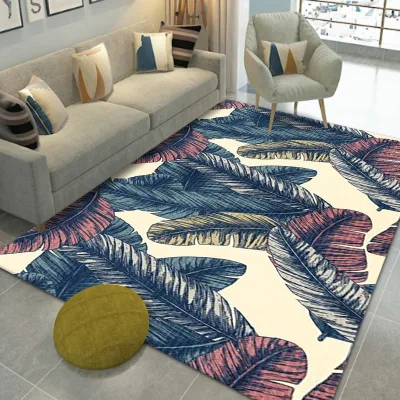


Comprehensive Sourcing Guide
Strategic Sourcing Guide for Non-Slip Ikat Area Carpets
Procuring non-slip ikat area carpets requires a nuanced understanding of the intersection between traditional weaving patterns and modern safety performance standards. The term "ikat" refers to a resist dyeing technique used to pattern the warp or weft threads before weaving, creating distinctive blurred, geometric, or organic designs. When combined with a "non-slip" requirement, the sourcing focus shifts to materials and backing technologies that ensure stability on various floor surfaces without compromising the aesthetic integrity of the pattern. Buyers must navigate a complex supply chain where product attributes like material composition, technical manufacturing methods, and certification status vary significantly across different suppliers. This guide outlines the critical factors for evaluating potential vendors and products, ensuring that the final procurement aligns with safety, durability, and design expectations.
Technical Specifications and Material Composition
The foundation of a reliable non-slip area carpet lies in its material composition and technical construction. Based on observed market data, the material profile for such products often includes Polyvinyl Chloride (PVC) and chemical fibers, which offer distinct advantages in terms of durability and maintenance. PVC-based options frequently feature a waterproof and breathable structure, making them suitable for high-traffic commercial environments as well as residential spaces. The technical manufacturing methods observed range from hand-made techniques to machine manufacturing and needle-punched processes. Hand-made rugs often command a premium due to the intricate nature of the ikat dyeing process, while machine-manufactured or needle-punched variants provide consistency and cost-efficiency for large-scale deployments.
A critical technical specification to verify is the product form and shape. The market offers these carpets in rectangular and circular formats, with specific standard dimensions such as 40x60 cm, 50x80 cm, 120x160 cm, and 60x90 cm. For larger applications, widths of 4 meters and customized sizes like 180x200 cm or 200x220 cm are available. The weight of the product is another vital metric; an observed standard weight is 1kg per square meter, which serves as a baseline for density and quality assessment. Buyers should also examine the product model codes, such as H3, RH031, or BD, which often correlate with specific design iterations or material blends. The presence of a non-slip feature is paramount, often achieved through specific backing materials or surface textures that prevent sliding on hard floors.
Compliance, Certification, and Safety Standards
In the B2B procurement of area rugs, particularly those intended for commercial, hotel, or public reception areas, compliance with safety and environmental standards is non-negotiable. The supply chain data indicates that products often carry ROHS certification, which restricts the use of specific hazardous materials in electrical and electronic equipment, though in the context of textiles, it generally signals adherence to strict chemical safety protocols. Buyers must verify that the specific batch of ikat carpets meets local fire resistance regulations, as the observed product attributes include "Fire Resistance" as a key feature. This is essential for compliance in hotels, offices, and public spaces where fire codes are stringent.
Beyond chemical safety, the environmental impact of the carpet is increasingly a procurement criterion. Attributes such as "Environmentally Friendly" suggest that the manufacturing process or material sourcing may adhere to sustainability goals. However, buyers should not assume this status without documentation. The cleaning and maintenance attributes, such as being "Stain Resistant" and "Washable," also play a role in long-term compliance, as they affect the hygiene standards of the installation environment. For products intended for outdoor use or bathrooms, the waterproof and anti-slip properties must be rigorously tested to ensure they do not degrade under moisture exposure. The origin of the product, often cited as China or specifically Guangdong, should be cross-referenced with the supplier's ability to provide valid test reports for fire resistance and chemical emissions, as these standards can vary by region and application.
Cost Drivers and Pricing Dynamics
The pricing of non-slip ikat area carpets is influenced by a complex array of factors, including material costs, manufacturing complexity, and order volume. The observed price range in the market spans from $0.34 to $80 per unit, a wide variance that reflects differences in material quality, size, and production method. Hand-made ikat rugs, which require significant labor and time, naturally sit at the higher end of this spectrum, while machine-manufactured or needle-punched options utilizing chemical fibers or PVC are typically more affordable. The minimum order quantity (MOQ) is another significant cost driver; observed MOQs range from 1 to 3000 units, with a specific standard MOQ of 50 square meters noted for certain product lines.
Buyers must carefully evaluate the trade-off between unit price and total cost of ownership. A lower unit price might be attractive, but if the product requires a high MOQ, the total capital outlay could be prohibitive for smaller projects. Conversely, a higher unit price for a custom-designed ikat pattern might be justified by its unique aesthetic value and lower MOQ flexibility. The packaging method, which varies from woven bags and PE bags to poly-bags with cartons or brown boxes, also impacts logistics costs. For international shipments, the density of the packed product (e.g., 80-100 pieces per woven bag) affects container utilization and freight expenses. Additionally, the availability of samples, which is a common offering, allows buyers to validate quality before committing to a large order, though sample costs and lead times should be factored into the initial budget.
Typical Applications and Usage Scenarios
Non-slip ikat area carpets are versatile products designed for a wide range of applications, from residential interiors to high-traffic commercial zones. The observed usage categories include home decoration, commercial spaces, hotels, outdoor areas, bathrooms, prayer rooms, and reception rooms. This versatility stems from the combination of aesthetic appeal and functional safety features. In residential settings, the "Supreme Softness" and "Washable" attributes make these carpets ideal for living rooms and bedrooms, providing comfort underfoot while maintaining ease of maintenance. In commercial environments such as hotels and offices, the "Fire Resistance" and "Anti-Slip" features are critical for meeting safety codes and ensuring guest and employee safety.
The specific design of the ikat pattern adds a layer of customization that allows these carpets to blend seamlessly with various interior design themes. Whether used in a modern office reception or a traditional hotel lobby, the "Modern" design style observed in the market offers a contemporary look that can be tailored to specific branding needs. For outdoor applications, the "Waterproof" and "Wear-Resistant" properties are essential, ensuring the carpet withstands environmental exposure without losing its structural integrity or non-slip performance. In prayer rooms or reception areas, the "Connection" and "Protection" functions highlight the carpet's role in defining space and providing a clean, safe surface. Buyers should match the product's specific attributes, such as the 40x60 cm or 120x160 cm standard sizes, to the dimensions of the intended space to ensure optimal coverage and aesthetic balance.
Supplier Evaluation and Quality Control
Evaluating suppliers for non-slip ikat area carpets requires a rigorous approach to quality control and verification of capabilities. The supply chain data indicates that customization is available, allowing buyers to request specific sizes, colors, and designs. However, the "Color: as Photo" attribute suggests that buyers must be cautious about color accuracy and should request physical samples to verify that the final product matches the visual representation. The manufacturing location, often Guangdong, China, implies a mature industrial base, but buyers should still verify the supplier's specific production capacity and quality assurance processes.
Quality control should focus on the consistency of the non-slip backing, the durability of the ikat pattern, and the overall construction integrity. The "Needle Punched" and "Woven" techniques observed in the market offer different textural and structural outcomes; buyers should assess which method best suits their application. For instance, needle-punched carpets may offer better stability for high-traffic areas, while woven carpets might provide a more traditional aesthetic. The packaging standards, ranging from dust bags to carton packages, should be evaluated to ensure they protect the product during transit. Furthermore, the availability of a "Sample" is a critical step in the evaluation process, allowing buyers to test the product's performance in real-world conditions before placing a bulk order.
Long-Term Procurement Considerations
Sourcing non-slip ikat area carpets is not merely a transactional event but a strategic decision that impacts long-term operational efficiency and brand image. The "Customized" nature of these products means that buyers can tailor the carpets to specific needs, but this also requires clear communication and detailed specifications to avoid discrepancies. The "Washable" and "Stain Resistant" attributes contribute to the longevity of the product, reducing the need for frequent replacement and lowering long-term maintenance costs. However, buyers must ensure that the cleaning methods recommended by the supplier do not damage the non-slip backing or the ikat pattern.
The environmental and safety certifications, such as ROHS and fire resistance, should be reviewed periodically to ensure ongoing compliance with changing regulations. As sustainability becomes a more prominent factor in procurement, the "Environmentally Friendly" claims should be backed by verifiable data. Additionally, the lead time and production capacity of the supplier should be aligned with the project timeline to avoid delays. The ability to provide consistent quality across multiple batches is crucial for large-scale projects where uniformity is expected. By focusing on these long-term considerations, buyers can secure a reliable supply of non-slip ikat area carpets that meet their immediate needs while supporting their strategic goals for safety, aesthetics, and sustainability.
Comparative Analysis of Product Attributes
To facilitate informed decision-making, the following table summarizes the key attributes observed in the market for non-slip ikat area carpets, highlighting the variations in material, technology, and application.
| Attribute Category | Observed Options | Key Considerations for Buyers |
|---|---|---|
| Material | PVC, Chemical Fiber | Verify chemical safety and environmental impact; PVC offers waterproofing. |
| Manufacturing Tech | Hand Made, Woven, Needle Punched, Machine Manufacturing | Hand-made offers uniqueness; needle-punched offers stability for high traffic. |
| Shape & Size | Rectangles, Circles; 40x60cm to 200x220cm | Match size to space; check for custom size availability. |
| Safety Features | Non-Slip, Fire Resistance, Anti-Slip | Essential for commercial/hotel use; verify certification documents. |
| Maintenance | Washable, Stain Resistant, Waterproof | Crucial for longevity; ensure cleaning methods do not damage backing. |
| Packaging | Woven Bag, PE Bag, Poly-Bag, Carton, Brown Box | Affects shipping cost and product protection; check for dust protection. |
| Origin | China, Guangdong | Verify supplier location for logistics and compliance with local standards. |
| Certification | ROHS | Confirm validity and scope of certification for the specific product batch. |
This comparative analysis underscores the importance of aligning product attributes with specific project requirements. By carefully evaluating these factors, buyers can navigate the complexities of the market and secure high-quality non-slip ikat area carpets that deliver value and performance.
FAQs
What materials are used for non slip ikat area carpets?
These carpets are primarily made from PVC or chemical fiber materials. The PVC options offer waterproof and breathable properties, while chemical fiber variants provide wear resistance suitable for various indoor and outdoor applications.
Can I get custom sizes for non slip ikat area carpets?
Yes, customization is available for these products. Buyers can request specific dimensions beyond standard sizes like 40x60 cm or 180x200 cm, ensuring the carpet fits unique space requirements for homes or commercial venues.
Which certifications do non slip ikat area carpets hold?
Many products carry ROHS certification to ensure chemical safety. Additionally, fire resistance is a key feature for commercial use, meeting safety standards required for hotels, offices, and public reception areas.
How are non slip ikat area carpets manufactured?
Manufacturing techniques include hand-made, woven, needle-punched, and machine manufacturing processes. The choice of technique affects the texture and durability, with hand-made options often offering intricate designs and machine options providing consistency.
What is the minimum order quantity for non slip ikat area carpets?
The minimum order quantity typically starts at 50 square meters. However, some suppliers may accept orders as low as one unit, while larger projects might require quantities up to 3000 units depending on the vendor.
Where are non slip ikat area carpets sourced from?
These products originate from China, with specific manufacturing hubs in Guangdong. The location indicates a mature industrial base capable of producing various styles including modern designs and traditional ikat patterns.
What features make non slip ikat area carpets suitable for bathrooms?
They are designed to be waterproof, non-slip, and washable. These attributes ensure the carpet remains stable and hygienic in wet environments like bathrooms, outdoor areas, and prayer rooms without degrading under moisture.